Every Easter weekend, something extraordinary happens in the remote savannahs of southern Guyana. Cowboys and cowgirls gather at the Triple R Ground in Lethem for the Rupununi Ranchers' Rodeo - a celebration of authentic cowboy culture that's been running for over 60 years. But this isn't your typical American rodeo. Here, the cowboys are Indigenous.
The Rupununi Rodeo represents a unique cultural phenomenon: the seamless fusion of Indigenous Makushi and Wapishana traditions with Brazilian vaquero ranching culture. It's wild, dusty, culturally rich, and absolutely unforgettable - the quintessential Guyanese experience you never knew existed.
Dates: April 3-5, 2026 (Easter Weekend)
Location: Triple R Ground, Tabatinga, Lethem
Theme: "Wild and Bold, Rupununi Stories Unfold"
The History: From Ranch Gatherings to National Festival
The Rupununi Rodeo wasn't always the major festival it is today. Its origins are humble - born from the practical necessities of cattle ranching life in Guyana's vast southern savannahs.
Stan Brock's famous observation captures the essence of the Rupununi Rodeo. Unlike American or Brazilian rodeos historically dominated by European settlers, Guyana's rodeo is fundamentally Indigenous. The Makushi and Wapishana peoples integrated European-introduced cattle ranching with their traditional knowledge of the land, creating a distinctly Guyanese cowboy identity.
Rodeo Events & Competitions
The Rupununi Rodeo features a mix of traditional rodeo events and modern additions, all showcasing the courage, skill, and savannah spirit of the competitors:
Bull Riding
The ultimate test of courage. Cowboys attempt to ride a bucking bull for 8 seconds holding on with just one hand.
Bronco Busting
Riders stay mounted on untamed horses as they buck, kick, and twist - demonstrating essential ranching skills.
Barrel Racing
High-speed competition navigating a cloverleaf pattern around three barrels. Precision riding at its finest.
Calf Roping
Cowboys rope running calves, dismount, and tie three legs - a timed event reflecting real ranching work.
Horse Racing
Sprint races showcasing the fastest horses in the Rupununi, with serious betting and spirited competition.
Dirt Bike Racing
Modern motorsports on challenging dirt tracks - high-speed thrills attracting younger competitors.
Miss Rupununi Pageant
Young women compete showcasing talent, cultural knowledge, and beauty - celebrating women in ranching.
Live Entertainment
Local bands, soca artists, Brazilian forró musicians, and Indigenous performers provide non-stop music.
Indigenous Heritage Meets Cowboy Culture
What makes the Rupununi Rodeo truly special is its unique cultural DNA. The Makushi and Wapishana peoples of the Rupununi savannahs have been cattle ranchers for generations, seamlessly integrating European-introduced cattle ranching with their traditional knowledge of the land, weather patterns, and animal behavior.
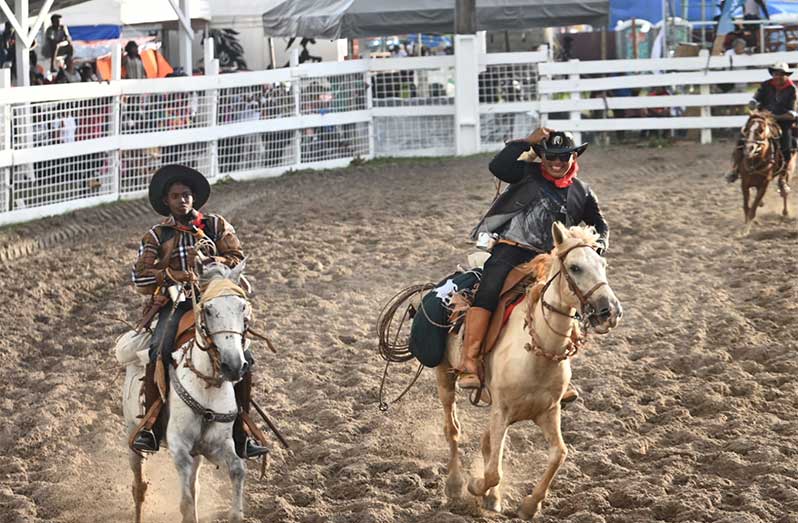
This isn't cultural appropriation - it's cultural evolution. Notable ranching families like the Melvilles (including Charles Melville, a legendary figure in Rupununi ranching), the Harts, Gorinskys, and Orellas have preserved these traditions across generations, creating a distinctly Guyanese cowboy culture that stands apart from American or Brazilian rodeo traditions.
Brazilian Vaquero Influence
The Rupununi's proximity to Brazil brought Portuguese language influences, forró music, and Brazilian vaquero ranching techniques that merged naturally with Makushi cattle management practices. You'll hear Portuguese mixed with English and Indigenous languages, and taste Brazilian-influenced cuisine alongside traditional Amerindian dishes.
Traditional Rodeo Food
The rodeo is a feast for the senses - including taste. Here are the authentic Rupununi dishes you must try:
- Tasso: Sun-dried beef that's been a ranching staple for centuries. Thin strips salted and dried in the savannah sun, creating intensely flavorful jerky.
- Cassava Bread: Thin, crispy flatbread made using traditional Indigenous methods - the staple that has sustained Makushi communities for thousands of years.
- Pepperpot: Guyana's national dish - rich, dark stew slow-cooked with cassareep, cinnamon, and hot peppers.
- Kasiri: Traditional Indigenous cassava beer with cultural and ceremonial significance.
- Farine: Toasted cassava flour - a versatile staple eaten as a side or sprinkled over meals.
- BBQ & Grilled Meats: Fresh beef, chicken, and game meats cooked over open flames with Brazilian-influenced marinades.
Most food vendors at the rodeo are cash-only. Bring plenty of Guyanese dollars as ATMs in Lethem are limited and may run out during the busy Easter weekend. Stay hydrated - the savannah sun is intense!
How to Get to the Rupununi Rodeo
Lethem is located 557 miles (896 km) from Georgetown in Guyana's southernmost Region 9. You have two main options:
By Air (Recommended)
- Duration: ~1.5 hours from Georgetown's Ogle Airport
- Airlines: Roraima Airways, Trans Guyana Airways
- Daily flights with spectacular aerial views of rainforest and savannah
- Book 2-3 months in advance - Easter weekend flights sell out quickly!
- Luggage weight restrictions apply
By Road (The Adventure Route)
- Duration: 2-3 days via the Trans-Guyana Highway
- Route: Georgetown → Linden → Kurupukari → Lethem
- Cross the Essequibo River by ferry at Kurupukari
- Drive through Iwokrama Rainforest Reserve - optional overnight stop
- 4WD vehicle recommended, especially during rainy season
- April is typically dry, but check road conditions before departure
Where to Stay
Accommodation in Lethem is limited, so booking early is essential - especially for Easter weekend:
Hotels & Guesthouses in Lethem
- Takutu Hotel
- Savannah Inn
- Manari Ranch (outside Lethem)
- Various family-run guesthouses
Eco-Lodges & Ranches
- Caiman House (Yupukari Village) - Giant river otter research station
- Rock View Lodge - Award-winning eco-lodge
- Karanambu Ranch - Historic ranch and giant river otter sanctuary
- Dadanawa Ranch - Remote working cattle ranch (advance booking only)
Camping
Many visitors camp near Triple R Ground for the full rodeo immersion experience. Bring a hammock, mosquito net, and camping supplies. This is also the most budget-friendly option!
Practical Tips for Attending
- Arrive early each day for the best viewing spots at the arena
- Bring cash - limited card acceptance throughout Lethem
- Sun protection is essential: Hat, sunscreen, sunglasses, long sleeves
- Expect dust - the savannah is dry in April
- Limited cell phone coverage - embrace the disconnection!
- Wear comfortable clothes - this is a rustic, outdoor event
- Stay hydrated - bring water and drink plenty of fluids
- Bring a camera - but be respectful when photographing locals
Why You Should Go
The Rupununi Rodeo isn't just an event - it's a window into a way of life that most visitors never knew existed in Guyana. It's authentic, uncommercial, and utterly unique. Where else can you watch Indigenous cowboys compete in bull riding, eat traditional cassava bread and tasso, dance to Brazilian forró music, and sleep under the endless savannah stars?
This is Guyana at its most raw and real. The Rupununi Rodeo offers an experience that can't be replicated anywhere else on Earth - a celebration of cultural fusion, community resilience, and the wild cowboy spirit that has defined these savannahs for generations.
Planning your trip to Guyana? Check out our Ultimate Guyana Travel Guide, Rupununi Savannah Guide, and Best Time to Visit Guyana for everything you need to know about exploring the Land of Many Waters.