Planning a trip to Guyana in 2026? You're in for an extraordinary adventure. This comprehensive guide covers everything you need to know to make your journey to South America's hidden gem unforgettable.
Nestled on the northern coast of South America, Guyana remains one of the continent's best-kept secrets. Unlike its Spanish-speaking neighbors, Guyana is the only English-speaking country in South America, making it exceptionally accessible for travelers from the US, UK, Canada, and other English-speaking nations.
In 2026, Guyana is experiencing a tourism renaissance. With the completion of the new international airport expansion, the opening of the Demerara River Bridge (the longest floating bridge in the world), and a surge in eco-tourism infrastructure, there's never been a better time to visit this pristine paradise.
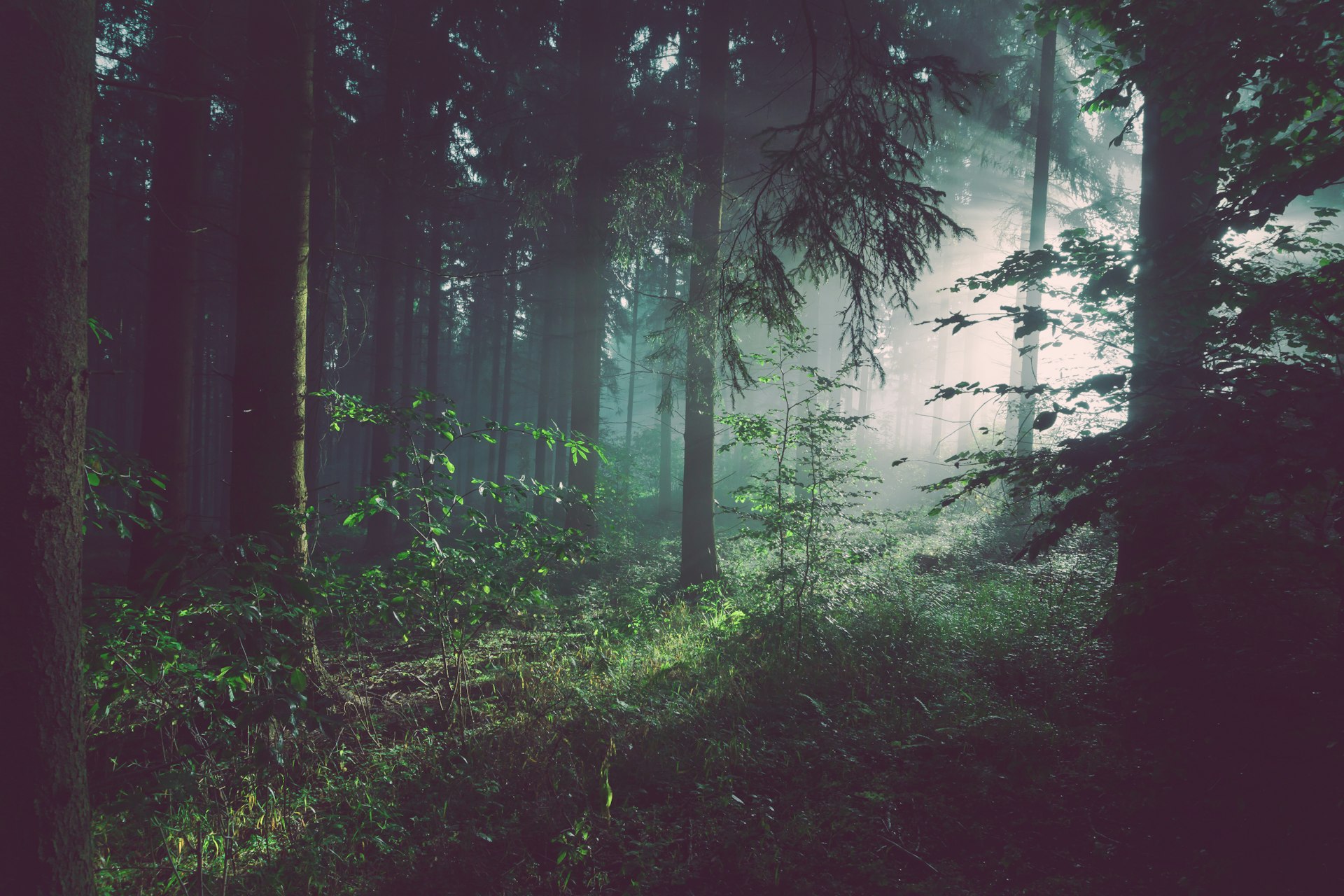
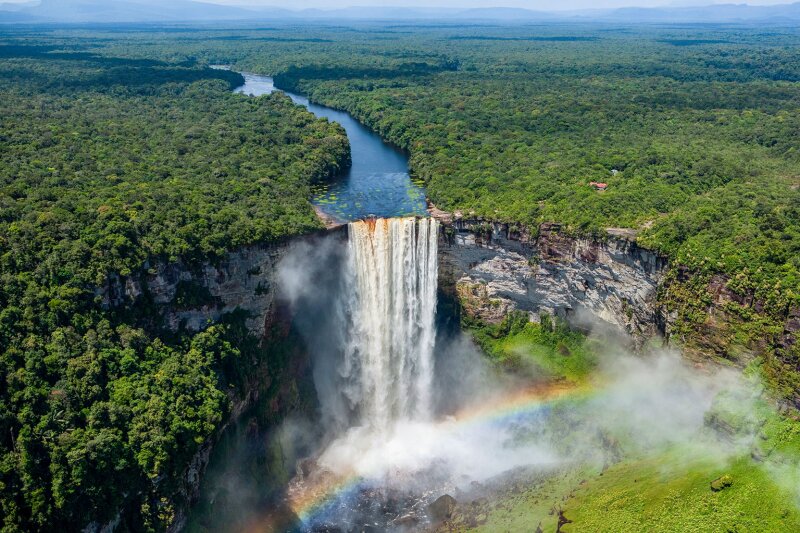
Guyana offers something truly unique: over 80% of the country is covered in pristine rainforest, home to spectacular waterfalls including Kaieteur Falls (five times higher than Niagara), diverse wildlife including jaguars, giant river otters, and harpy eagles, and indigenous communities that maintain centuries-old traditions. Whether you're an adventure seeker, wildlife enthusiast, or cultural explorer, Guyana delivers experiences you simply can't find anywhere else.
Table of Contents
Getting to Guyana
Getting to Guyana is easier than ever in 2026. The country's main gateway, Cheddi Jagan International Airport (GEO), is located about 25 miles south of Georgetown and has undergone major expansion to accommodate increased tourism.
International Flights
Several airlines offer direct and connecting flights to Georgetown from major hubs:
- From North America: Caribbean Airlines, American Airlines, and JetBlue offer regular service from New York (JFK), Miami (MIA), and Toronto (YYZ)
- From the Caribbean: Caribbean Airlines provides connections through Trinidad, Barbados, and Jamaica
- From South America: Copa Airlines connects through Panama City (PTY), while LIAT offers regional Caribbean connections
- From Europe: Most travelers connect through New York, Miami, or Trinidad
Booking Tip
Flight prices can vary significantly by season. Book at least 2-3 months in advance for the best deals, especially if traveling during peak season (February to April). Caribbean Airlines often offers the most competitive fares from North America.
Airport Arrival
Upon arrival at Cheddi Jagan International Airport, you'll find modern facilities including currency exchange, ATMs, SIM card vendors, and taxi services. The drive to Georgetown takes approximately 45 minutes and costs around GYD 5,000-6,000 (USD 25-30) by official taxi.
Visa Requirements
One of Guyana's greatest advantages for travelers is its generous visa policy. Many nationalities can enter visa-free, making trip planning straightforward.
Visa-Free Entry (90 days)
Citizens of the following countries can enter Guyana without a visa for stays up to 90 days:
- United States, Canada
- United Kingdom and all EU countries
- Australia, New Zealand
- Most Caribbean (CARICOM) nations
- South Korea, Japan, Singapore
Countries Requiring Visas
Citizens of most African, Middle Eastern, and some Asian countries require a visa before travel. Visas can be obtained from Guyana embassies or consulates, or in some cases, through the online e-visa system launched in 2025.
Entry Requirements
Regardless of visa requirements, all visitors must have:
- A passport valid for at least 6 months beyond your planned departure date
- Proof of onward/return travel (flight ticket)
- Proof of sufficient funds for your stay
- Yellow fever vaccination certificate (if arriving from an endemic country)
Extensions
If you fall in love with Guyana and want to stay longer, visa extensions can be obtained from the Ministry of Home Affairs in Georgetown. Applications should be submitted at least one week before your visa expires.
Best Time to Visit
Guyana has a tropical climate with two distinct dry seasons and two rainy seasons. Choosing when to visit depends on what you want to experience.
Dry Season (Mid-February to April & Mid-August to November)
The dry seasons offer the best conditions for most travelers:
- Ideal for hiking and outdoor adventures - Trails are less muddy and more accessible
- Best for Kaieteur Falls - Water levels are perfect for viewing, not too high or too low
- Peak tourist season - Better availability of tours but more crowded at popular sites
- Wildlife viewing - Animals congregate around water sources, making them easier to spot
Rainy Season (May to July & December to January)
Don't dismiss the rainy season entirely:
- Waterfalls at full power - Kaieteur and other falls are at their most spectacular
- Lush landscapes - The rainforest is vibrant and incredibly green
- Fewer tourists - Better prices and a more intimate experience
- Bird breeding season - Excellent time for birdwatching
Best Overall Months
February to April is considered the prime time to visit Guyana. You'll enjoy dry weather, manageable temperatures, and excellent conditions for all activities. September and October also offer great value with good weather and fewer crowds.
For a detailed month-by-month breakdown including temperature, rainfall, wildlife activity, and special events, check our complete guide: Best Time to Visit Guyana.
Where to Stay
Guyana offers accommodation options ranging from luxury hotels in Georgetown to rustic eco-lodges deep in the rainforest. Your choice will depend on your budget and the type of experience you're seeking.
Georgetown Hotels
Most visitors spend at least a night or two in the capital:
- Marriott Georgetown - The country's premier luxury hotel with modern amenities, rooftop pool, and excellent restaurants ($$$$)
- Pegasus Hotel - Long-standing favorite with pool, multiple dining options, and central location ($$$)
- Cara Lodge - Boutique historic hotel in a beautifully restored colonial mansion ($$-$$$)
- Herdmanston Lodge - Mid-range option popular with business travelers ($$)
- Budget Guesthouses - Numerous options in residential areas starting at $30-50/night ($)
Rainforest & Eco-Lodges
For the true Guyana experience, stay at one of the country's renowned eco-lodges:
- Iwokrama River Lodge - Located in the heart of the Iwokrama Rainforest, perfect for wildlife watching and canopy walks
- Atta Rainforest Lodge - Remote lodge near the world's largest accessible cock-of-the-rock lek
- Karanambu Lodge - Famous for giant river otter conservation in the Rupununi Savannah
- Surama Village - Community-owned lodge offering authentic indigenous cultural experiences
- Rock View Lodge - Stunning location in the North Rupununi with Mount Roraima views
Eco-Lodge Packages
Most rainforest lodges operate on all-inclusive packages that include accommodation, meals, and guided activities. Book directly or through a reputable tour operator for the best experience. Packages typically range from $150-300 per person per day.
Booking Tips
- Book eco-lodges at least 2-3 months in advance, especially for dry season
- Georgetown hotels can often be booked last-minute through standard booking platforms
- Some remote lodges have limited internet, so booking via tour operators is recommended
- Always confirm what's included - meals, transfers, and activities can add up
Getting Around Guyana
Transportation in Guyana requires some planning, especially when venturing outside Georgetown. Options vary significantly between the coast and the interior.
In Georgetown
- Taxis - The most convenient option. Licensed taxis have an "H" prefix on license plates. Negotiate fare before departing; typical rides cost GYD 500-1,500 ($2.50-7.50)
- Minibuses - Cheap public transport (GYD 100-200) but can be crowded and confusing for first-timers
- Ride-sharing - Currently limited; most visitors rely on hotel-arranged taxis
- Walking - Feasible for short distances in the city center during daylight hours
To the Interior
Reaching Guyana's interior attractions requires different transport:
- Domestic Flights - Small aircraft (8-12 seaters) fly to interior airstrips including Kaieteur Falls, Lethem (Rupununi), and Orinduik Falls. Operators include Trans Guyana Airways and Roraima Airways. Book through tour operators.
- 4WD Vehicles - Road trips to the Rupununi or other interior destinations require sturdy 4x4 vehicles. The journey can take 8-14 hours depending on conditions.
- River Boats - Some locations are only accessible by boat. Your lodge or tour operator will arrange this.
- Organized Tours - Most visitors explore the interior through organized tours that handle all transportation logistics
Car Rental
Self-driving in Georgetown is possible, though traffic can be chaotic. Rental agencies include:
- Sherif's Auto Rental
- Guyana Car Rental Services
- Miss D's Car Rental
Driving Considerations
Guyana drives on the left side of the road. Roads in Georgetown can be in poor condition, and interior roads are often unpaved and challenging. Unless you have experience with off-road driving in developing countries, hiring a driver or joining organized tours is strongly recommended.
Top Attractions You Can't Miss
Guyana's attractions showcase the best of South American wilderness, from the world's tallest single-drop waterfall to pristine rainforests teeming with wildlife.
1. Kaieteur Falls
The crown jewel of Guyana, Kaieteur Falls is the world's largest single-drop waterfall by volume, plunging 741 feet (226 meters) - five times higher than Niagara Falls. Unlike many major waterfalls, Kaieteur remains wonderfully unspoiled and uncrowded.
- How to visit: Day trips by small aircraft from Georgetown (1-hour flight each way)
- Best time: Year-round, though February-April offers best viewing conditions
- Cost: Tours typically $250-350 per person including flight and guide
- Highlight: Standing at the edge of the falls with virtually no barriers or crowds
2. Iwokrama Rainforest
This 371,000-hectare protected area is one of the last pristine tropical rainforests on Earth. Iwokrama is internationally recognized for its conservation work and offers unparalleled wildlife viewing opportunities.
- Wildlife: Jaguars, giant river otters, tapirs, giant anteaters, 8 primate species
- Activities: Canopy walkway, night safaris, river cruises, nature hikes
- Stay at: Iwokrama River Lodge or Atta Rainforest Lodge
- Duration: Minimum 3-4 days recommended
3. Mount Roraima
This ancient tabletop mountain (tepui) inspired Arthur Conan Doyle's "The Lost World." Standing at 9,219 feet, it's one of the oldest geological formations on Earth and straddles the borders of Guyana, Venezuela, and Brazil.
- Trek difficulty: Challenging 6-8 day expedition
- Unique features: Otherworldly rock formations, endemic plant species, crystal valleys
- Best for: Fit hikers seeking adventure
- Book through: Specialized trekking operators only
4. Georgetown
Guyana's capital is a fascinating blend of Caribbean, South American, and colonial influences:
- St. George's Cathedral - One of the world's tallest wooden buildings
- Stabroek Market - Bustling marketplace in a distinctive cast-iron building
- Botanical Gardens - Home to manatees and various tropical plants
- Seawall - Popular promenade for sunset strolls
- Food scene - Excellent local and international restaurants
5. Rupununi Savannah
A dramatic change from the rainforest, the Rupununi is an expansive grassland region home to indigenous communities and diverse wildlife:
- Giant river otters at Karanambu Lodge
- Indigenous villages offering cultural experiences
- Horseback riding across the savannah
- Fishing for arapaima and other species
Planning Your Itinerary
A typical 7-10 day trip might include: 2 days in Georgetown, 3-4 days in Iwokrama or the Rupununi, a day trip to Kaieteur Falls, and 1 day buffer for travel. For detailed itineraries, visit our Trip Planning page.
For a complete list of attractions and experiences, explore our Things to Do in Guyana.
Money & Costs
Understanding the local currency and typical costs will help you budget effectively for your Guyana adventure.
Currency
The Guyanese Dollar (GYD) is the local currency. As of 2026, the exchange rate is approximately:
- 1 USD = 210-220 GYD
- 1 EUR = 230-240 GYD
- 1 GBP = 270-280 GYD
Exchanging Money
- ATMs: Widely available in Georgetown; withdraw GYD using international cards (typically GYD 40,000-60,000 limit per transaction)
- Exchange houses: Better rates than banks or airports; try Guyana Bank for Trade & Industry (GBTI) or Citizens Bank
- US dollars: Widely accepted at hotels, tour operators, and many restaurants; often preferred for large purchases
- Credit cards: Accepted at major hotels and some restaurants in Georgetown; limited use elsewhere
Cash is King
Bring sufficient US cash for your interior travels. ATMs are non-existent outside Georgetown, and lodges/tour operators often prefer cash payment. Keep small denominations (USD $1, $5, $10) for tips and minor purchases.
Daily Budget Estimates
Budget Traveler ($50-80/day):
- Accommodation: $30-50 (guesthouses)
- Meals: $15-20 (local restaurants, street food)
- Local transport: $5-10
Mid-Range Traveler ($150-250/day):
- Accommodation: $80-120 (good hotels, basic eco-lodges)
- Meals: $40-60 (mix of restaurants)
- Transport and activities: $30-70
Luxury Traveler ($300+/day):
- Accommodation: $200+ (top hotels, premier eco-lodges)
- Meals: $80+ (high-end restaurants)
- Private tours and activities: $100+
Typical Costs
- Meal at local restaurant: GYD 1,000-2,000 ($5-10)
- Mid-range restaurant meal: GYD 3,000-5,000 ($15-25)
- Beer: GYD 400-800 ($2-4)
- Taxi in Georgetown: GYD 500-1,500 ($2.50-7.50)
- Kaieteur Falls day trip: $250-350
- Eco-lodge per night (all-inclusive): $150-300
- SIM card with data: GYD 2,000-4,000 ($10-20)
Tipping
Tipping is appreciated but not mandatory:
- Restaurants: 10% for good service (check if service charge is included)
- Tour guides: $10-20 per person per day
- Taxi drivers: Round up to nearest convenient amount
- Hotel staff: $2-5 for porters, $5-10/day for housekeeping
Health & Safety
Proper health preparations are essential for enjoying your Guyana adventure safely. Here's what you need to know.
Vaccinations
Required:
- Yellow Fever: Mandatory if arriving from a country with yellow fever transmission risk. Recommended for all travelers heading to interior regions. Get vaccinated at least 10 days before travel.
Recommended:
- Hepatitis A and B
- Typhoid
- Tetanus-diphtheria
- Rabies (if you'll be in remote areas or working with animals)
- Routine vaccinations (measles, mumps, rubella)
Malaria Prevention
Malaria is present in Guyana's interior regions. Prevention is crucial:
- Antimalarial medication: Consult your doctor about Atovaquone-Proguanil (Malarone), Doxycycline, or Mefloquine
- Insect repellent: Use DEET-based repellents (30-50% concentration)
- Protective clothing: Long sleeves and pants, especially dawn and dusk
- Bed nets: Most lodges provide mosquito nets; ensure they're tucked in properly
Other Health Considerations
- Dengue Fever: Present year-round; same mosquito prevention measures apply
- Water: Drink only bottled or treated water; avoid ice in drinks outside major hotels
- Food: Eat at busy, reputable restaurants; avoid street food if you have a sensitive stomach
- Sun protection: Strong tropical sun requires high SPF sunscreen and hats
- Travel insurance: Essential; ensure it covers medical evacuation from remote areas
Medical Facilities
Georgetown has several private hospitals including St. Joseph Mercy Hospital and Davis Memorial Hospital. Medical facilities in the interior are extremely limited. Bring a comprehensive first-aid kit and any prescription medications you need (in original packaging).
Safety Tips
Guyana is generally safe for tourists, but take sensible precautions:
- Georgetown: Avoid walking alone at night; use registered taxis after dark; keep valuables out of sight
- Valuables: Use hotel safes; don't display expensive jewelry or electronics
- Scams: Use licensed tour operators and registered taxis (H-prefix plates)
- Wildlife: Respect animal safety protocols; never approach wild animals
- River safety: Strong currents and caimans make some rivers dangerous; always follow local advice
Emergency Contacts
- Police: 911
- Fire: 912
- Ambulance: 913
- Tourism & Hospitality Association: +592-226-0807
Travel Insurance
Purchase comprehensive travel insurance that includes medical coverage, emergency evacuation (especially important for interior travel), trip cancellation, and lost luggage. Companies like World Nomads and SafetyWing offer good coverage for adventure travel.
Culture & Etiquette
Guyana's diverse population creates a rich cultural tapestry that welcomes visitors with warmth and hospitality.
Cultural Diversity
Guyana's population reflects centuries of migration and settlement:
- Indo-Guyanese (40%) - Descendants of Indian indentured laborers
- Afro-Guyanese (29%) - Descendants of African slaves and more recent immigrants
- Indigenous peoples (10%) - Nine distinct groups including Arawak, Wapishana, and Macushi
- Mixed heritage (20%) - Various combinations of the above
- Others (1%) - Chinese, Portuguese, European
This diversity means you'll encounter Hindu temples, mosques, churches, and indigenous traditional practices all coexisting peacefully.
Language
English is the official language, making Guyana the only English-speaking country in South America. However, many Guyanese speak Guyanese Creole (or "Creolese"), which blends English with African, Indian, and indigenous influences. Don't worry - everyone speaks standard English with visitors.
Social Etiquette
- Greetings: A friendly "Good morning," "Good afternoon," or "Good evening" is appreciated. Handshakes are common.
- Dress code: Casual but modest. Beachwear is for beaches only. When visiting indigenous communities, dress conservatively.
- Photography: Always ask permission before photographing people, especially in indigenous villages. Some communities charge a small fee.
- Religious sites: Remove shoes when entering Hindu temples and mosques; dress modestly at all religious sites.
- Punctuality: "Caribbean time" applies - don't be surprised if things start a bit late, but as a visitor, it's respectful to be punctual.
Cultural Do's and Don'ts
DO:
- Accept hospitality graciously - Guyanese are very welcoming
- Try local foods and attend cultural events
- Support local businesses and artisans
- Show respect for all cultural and religious practices
- Ask questions - people are usually happy to share their culture
DON'T:
- Make jokes about politics or race - these are sensitive topics
- Disrespect indigenous traditions or sacred sites
- Photograph military installations or government buildings
- Litter - environmental consciousness is growing
- Expect Western standards of efficiency - patience is key
Tipping Practices
As mentioned in the Money section, tipping is appreciated but not always expected. 10% at restaurants for good service is standard. Tour guides and lodge staff particularly appreciate tips for exceptional service.
Visiting Indigenous Communities
When visiting indigenous villages, follow your guide's instructions carefully. Many communities welcome visitors and offer cultural experiences, but respect their rules about photography, sacred areas, and acceptable behavior. Community tourism provides important income while preserving traditional lifestyles.
Packing Essentials
Packing for Guyana requires preparation for diverse environments - from city hotels to remote rainforest lodges.
Clothing
- Lightweight, breathable clothing: Cotton and moisture-wicking fabrics for hot, humid conditions
- Long-sleeved shirts and pants: Essential for sun and insect protection
- Rain jacket: Lightweight, packable waterproof jacket
- Comfortable hiking shoes: Waterproof if possible, well broken-in
- Sandals or water shoes: For lodges and water activities
- Hat with wide brim: Sun protection is crucial
- Swimsuit: For waterfalls, rivers, and hotel pools
- Light sweater or fleece: Air conditioning can be cold
Health & Hygiene
- Insect repellent: DEET 30-50%, multiple bottles
- Sunscreen: High SPF, reef-safe if possible
- First-aid kit: Bandages, antiseptic, pain relievers, anti-diarrheal medication
- Prescription medications: Bring extras in original packaging
- Antimalarial medication: As prescribed by your doctor
- Hand sanitizer: Especially for rural areas
- Toiletries: Lodges provide basics, but bring preferred brands
Electronics & Gear
- Camera with telephoto lens: For wildlife photography
- Binoculars: Essential for birdwatching and wildlife viewing
- Headlamp or flashlight: With extra batteries
- Power adapter: Guyana uses Type D and G plugs (120V/240V)
- Portable charger/power bank: Remote lodges have limited electricity
- Waterproof bags: Dry bags for protecting electronics during boat trips
- Phone with international plan: Or buy local SIM card on arrival
Documents & Money
- Passport: Valid for 6+ months
- Copies of important documents: Passport, insurance, tickets (digital and physical)
- Yellow fever vaccination certificate: Required at immigration
- Travel insurance documents: Emergency contact numbers
- US dollars in cash: Small denominations for tips and remote areas
- Credit/debit cards: Notify bank of travel dates
Nice-to-Haves
- Field guide to birds/wildlife: Enhance your wildlife experiences
- Notebook and pen: For journaling adventures
- Reusable water bottle: With filter if possible
- Snacks: Energy bars for long travel days
- Small day pack: For excursions from lodges
- Ziploc bags: Keep things dry and organized
Packing Strategy
Pack light! Interior flights have strict weight limits (typically 15kg/33lbs including carry-on). Use soft duffel bags rather than hard cases - they're easier for small aircraft and boat transfers. Many lodges offer laundry service, so you can pack fewer clothes.
What NOT to Bring
Leave valuable jewelry at home. Don't pack aerosol insect repellents (they'll explode in small aircraft). Avoid heavy cotton jeans (they take forever to dry). Skip the umbrella - a rain jacket is more practical in the rainforest.
Useful Phrases
While everyone in Guyana speaks English, learning a few Guyanese Creole (Creolese) phrases will delight locals and enhance your experience.
Basic Greetings
- "Wah yuh ah seh?" - "What are you saying?" (How are you?)
- "Everyt'ing cook an' curry" - Everything is good
- "Me deh good" - I'm doing well
- "Awright" - Alright, okay
Common Expressions
- "Lime" - Hang out, socialize
- "Wuh wan know?" - Want to know something?
- "Tek time" - Take your time, no rush
- "Ow man!" - Expression of surprise or disbelief
- "Leh we go" - Let's go
- "Wheh you from?" - Where are you from?
Useful Words
- "Fuh real?" - Really? For real?
- "Nah" - No
- "Yuh good?" - Are you okay?
- "Tanty/Uncle" - Terms of respect for older women/men
- "Meh" - Me, my
Food & Dining
- "Bring meh..." - Bring me...
- "Tasty bad" - Very delicious (bad = very/extreme)
- "What y'all got?" - What do you have?
- "Cook-up" - One-pot rice dish
- "Pepperpot" - Traditional Guyanese stew
Language Tip
Don't stress about perfect Creolese - locals are incredibly patient and appreciative of any attempt to use local expressions. A simple "Good morning" or "Thank you" in standard English is always warmly received. The key is friendliness and respect, not perfect pronunciation!
Ready for Your Guyana Adventure?
Guyana in 2026 offers an unparalleled opportunity to experience one of South America's last great wildernesses before mass tourism arrives. From the thundering magnificence of Kaieteur Falls to the pristine expanse of the Iwokrama Rainforest, from the unique tabletop summit of Mount Roraima to the warm hospitality of indigenous communities, Guyana delivers adventures that few destinations can match.
The key to a successful Guyana trip is preparation. Book your eco-lodges and tours early, especially if visiting during the dry season. Work with reputable tour operators who understand the logistics of remote travel. Allow flexibility in your schedule for weather and transportation variables. Most importantly, come with an open mind and adventurous spirit - Guyana isn't a luxury beach destination, but for those seeking authentic wilderness experiences and cultural encounters, it's simply unbeatable.
Ready to start planning your journey to the Land of Many Waters? Explore our additional resources:
- Book Experiences & Tours - Browse authentic adventures with trusted operators
- Things to Do - Detailed guides to must-see destinations
- Interactive Trip Planner - Map out your perfect itinerary
- Visitor Essentials - Emergency contacts, weather, and practical information
- Trusted Tour Operators - Vetted companies for safe, quality experiences
Your Guyana adventure awaits - welcome to South America's hidden paradise!