The First Peoples of Guyana
Keepers of the Land for Over 11,000 Years
Amerindian culture thrives in villages, celebrations, and daily life across Guyana
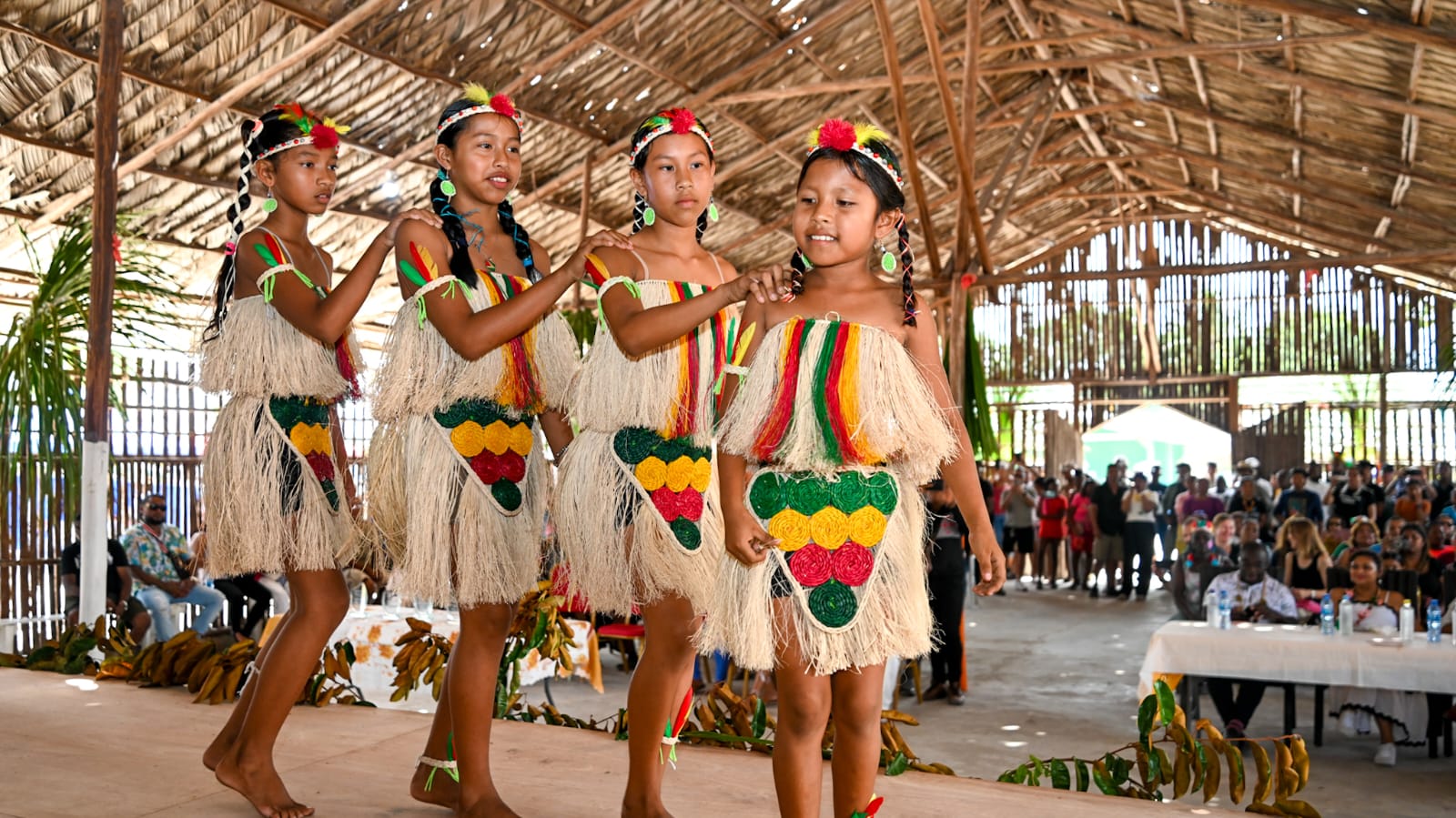
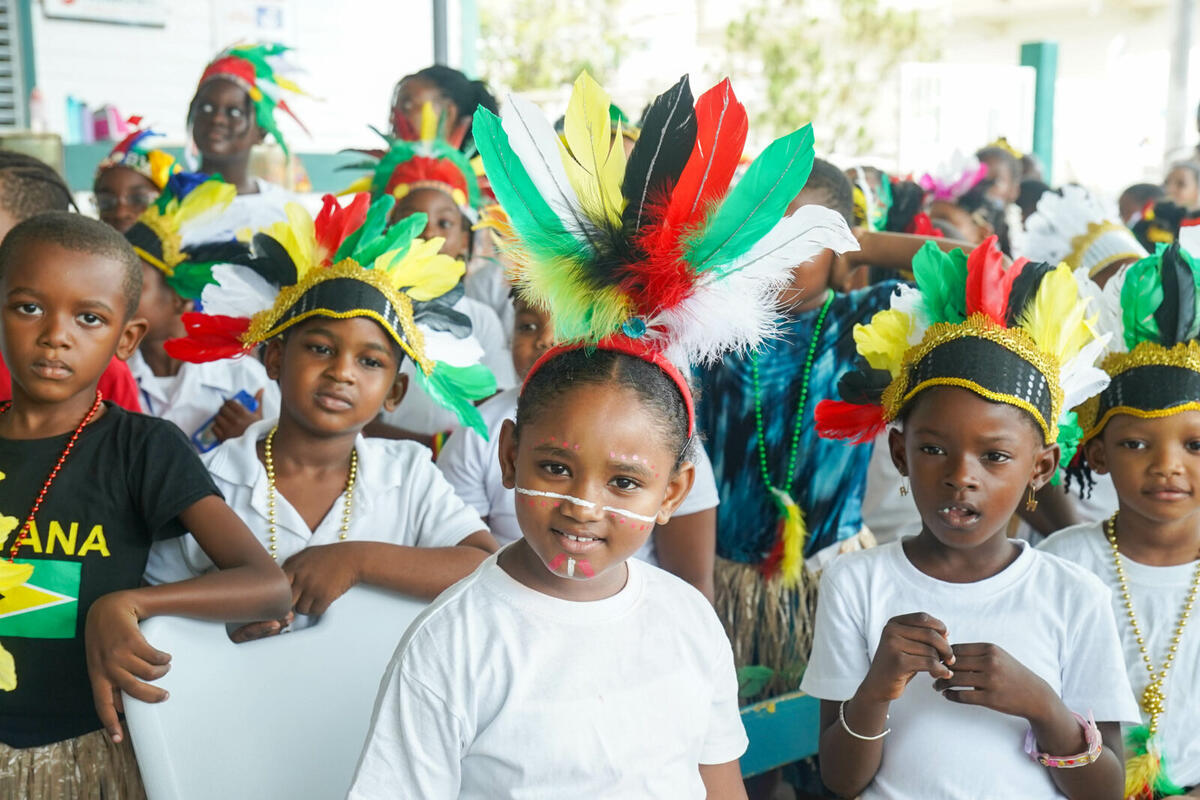
Guyana's indigenous peoples — collectively called Amerindians — are not relics of the past but vibrant, living communities. From the Makushi ecotourism pioneers of the Rupununi to the remote Wai Wai of the southern rainforests, each nation maintains unique traditions while adapting to the modern world. When you visit their community-owned lodges, your presence directly supports schools, healthcare, and cultural preservation.
Guyana's officially recognized indigenous peoples
The Makushi are leaders in community-based ecotourism, operating award-winning lodges like Surama and Rewa. Known for balancing traditional practices with modern sustainable tourism.
The largest Arawak-speaking population in northern Amazonia (~13,000 people). Known for intricate weaving techniques and deep knowledge of rainforest medicinal plants.
The most remote indigenous group, known as the "Tapioca People" for their cassava-based diet. Access requires a 3-5 day overland odyssey through pristine jungle. Famous for intricate beadwork.
Coastal dwellers known for pottery, weaving, and storytelling. St. Cuthbert's Mission (Pakuri) is considered the "cultural capital" for Amerindians, home to the Lokono Artists Group.
Skilled navigators, canoe builders, and fishermen. The Moruca region preserves strong ancestral customs. Known for intricate basket weaving and archery mastery.
Linguistic descendants of the Karinya who pioneered settlement of the hinterland forests. Homestay experiences available near Kaieteur Falls area.
Mountain-dwelling community in the Pakaraima highlands near Kaieteur. Access primarily by air due to the remote mountain location.
Only ~500 Arecuna in Guyana, in the single village of Paruima. Known for wood skin canoes, blowpipe hunting, and dramatic waterfall treks. Adventure tourism developing.
Primarily found in Venezuela's Orinoco Delta, with some communities in Guyana's northwest. Known as "boat people" for their water-based lifestyle.
Stay where your money directly benefits indigenous communities
Award-Winning
100% owned and operated by Surama community
The role model for community-based ecotourism in Guyana. ~60% of village income comes sustainably from tourism. Located between Burro Burro River and million-acre Iwokrama Forest. Wildlife, culture, and genuine hospitality.
Remote river paradise, BBC filming location
Built and managed entirely by the local Makushi community at the confluence of Rewa and Rupununi Rivers. Featured in BBC's "Lost Land of the Jaguar." World's only wild arapaima fly fishing, Harpy Eagles, and pristine wilderness.
Science meets ecotourism
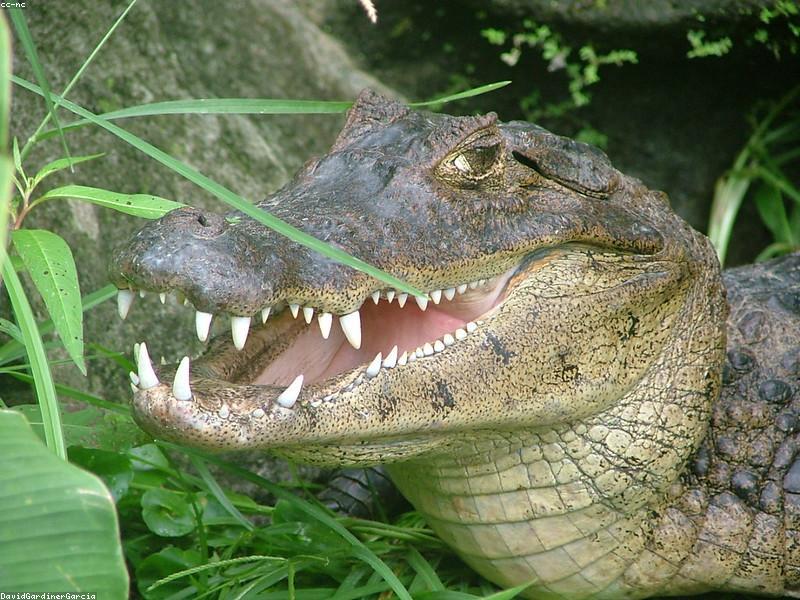
Nonprofit community-owned social enterprise in Yupukari village. Join researchers on night expeditions to catch, measure, and tag black caimans (800+ tagged). Supports local library and education.
Authentic activities offered at community lodges
Learn the sacred practice of processing bitter cassava into bread — passed down through generations of women.
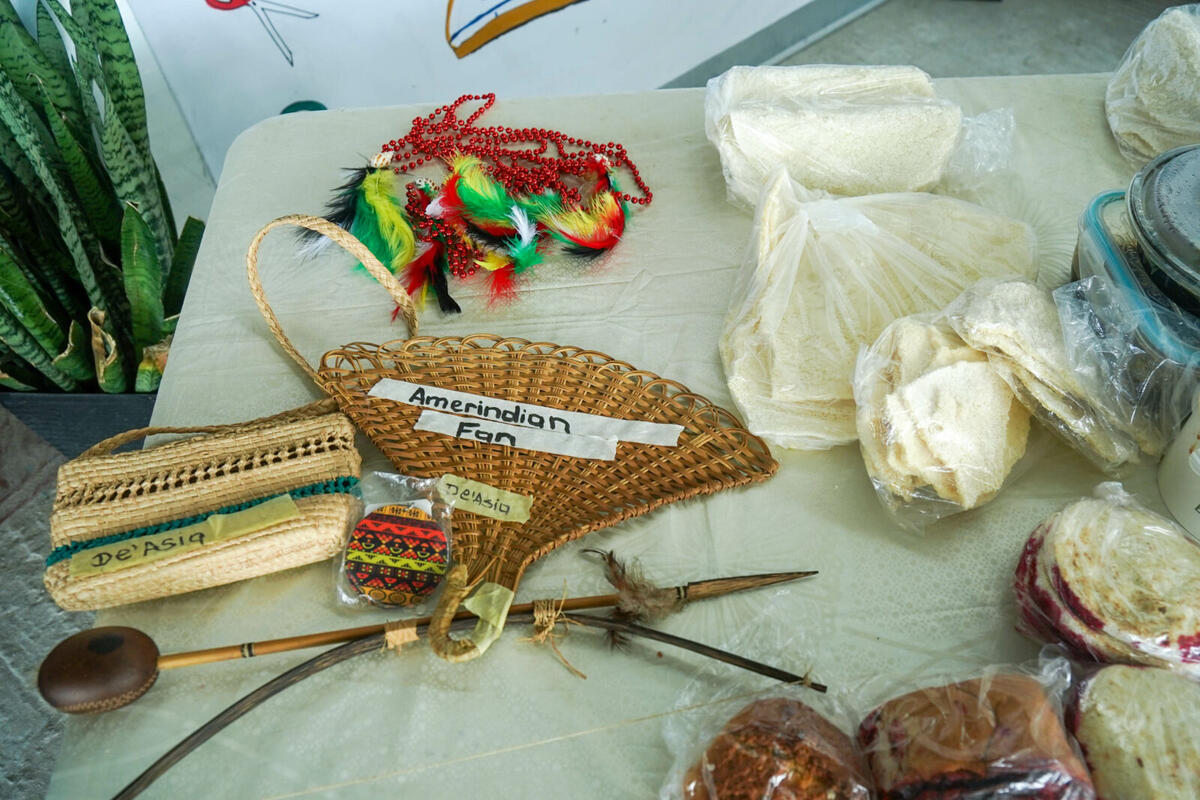
Basket weaving, beadwork, pottery, and hammock making. Purchase directly from artisans.
Learn sustainable fishing techniques including nets, traps, and the legendary arapaima catch-and-release.
Try your hand at traditional bow and arrow with skilled Carib and Makushi hunters.
Rhythmic performances passing down legends and history through movement and melody.
Rainforest walks learning about traditional medicine from community elders.
Homestay experiences sharing daily life, meals, and genuine hospitality.
Learn to make Kachiri (fermented cassava drink) and other traditional beverages.
Guidelines for meaningful, ethical cultural exchange
Respect "no" graciously. Some ceremonies should never be photographed.
Your money directly supports families, schools, and cultural preservation.
Fair prices support sustainable livelihoods. Ask about the meaning and techniques.
Community-approved guides ensure respectful interaction and create jobs.
Proper greetings earn goodwill. Listen and learn with humility.
Always arrange visits through proper channels (village councils, tour operators).
Creates dependency. Support communities through lodge stays and craft purchases.
Some areas and items are restricted. Ask before entering ceremonial spaces.
Don't buy bird feathers or animal products from endangered species.
These are living cultures, not museums. Engage authentically.
Photo Credits: Images courtesy of the Guyana Department of Public Information, Ministry of Amerindian Affairs, and Guyana Tourism Authority. AYONG Cultural Group photo by Dwayno.
Book through community-approved tour operators
Find Tour OperatorsExplore more of what Guyana has to offer